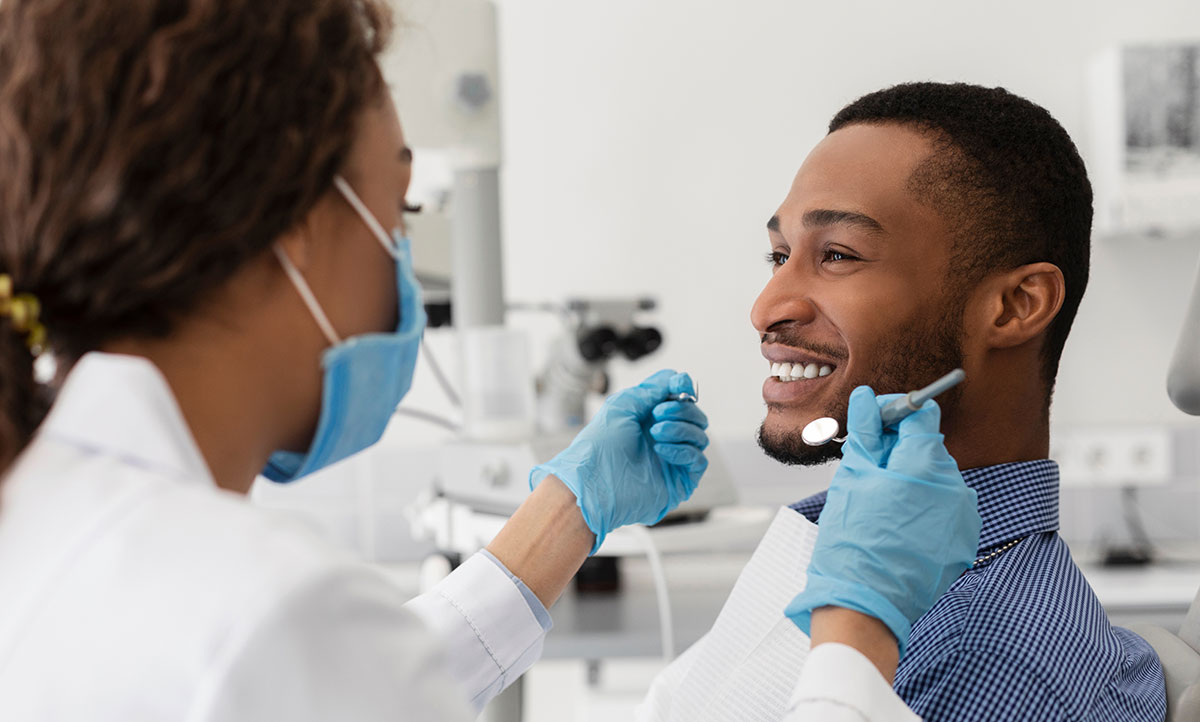
Cultural awareness in dentistry is more than a trend. It is an essential part of providing care that respects patients as individuals and recognizes the experiences, values, and backgrounds that shape their perceptions of health. Every patient comes to the dental office with a unique story, and understanding those stories helps build trust, improve communication, and ensure better outcomes.
Understanding the Importance of Culture
Culture influences how people view health, illness, and treatment. It shapes expectations around communication, comfort, and the dentist-patient relationship. For some patients, visiting the dentist may be a routine experience. For others, it may carry anxiety, fear, or skepticism based on past experiences or community narratives.
Acknowledging and respecting these differences is essential. A patient-centered approach that considers cultural context creates an environment where patients feel seen, heard, and valued. When patients feel respected, they are more likely to follow treatment recommendations, attend regular visits, and actively participate in their oral health.
Building Trust Through Awareness
Trust is the foundation of any successful dental relationship. Understanding a patient’s cultural background helps establish this trust by showing that the dental team cares about the person, not just their teeth. This awareness can be expressed in many ways, from simple gestures like using culturally sensitive language to more intentional efforts such as understanding dietary practices, oral care routines, and family health beliefs.
Patients who feel their culture is understood and respected are more likely to feel comfortable asking questions and expressing concerns. They are also more receptive to preventive care and treatment plans. This trust benefits both the patient and the dental team, resulting in smoother appointments and more positive experiences overall.
Communication Is Key
Effective communication is a cornerstone of culturally aware dentistry. It involves not only speaking clearly but also listening attentively and observing non-verbal cues. Patients may communicate discomfort, fear, or uncertainty in ways that are influenced by their cultural norms. Recognizing these cues allows dental professionals to respond appropriately and ensure the patient feels understood.
Providing explanations in a way that respects a patient’s background, language, and knowledge level can reduce anxiety and improve compliance. Patients who understand why a treatment is necessary and how it will benefit them are more likely to take an active role in maintaining their oral health.
Culturally Sensitive Care Practices
Culturally aware dentistry also extends to practical aspects of care. For example, dietary habits, traditional remedies, and oral hygiene routines can vary widely across communities. Being aware of these differences allows the dental team to provide guidance that is realistic and relevant to the patient’s lifestyle.
Some patients may have concerns related to modesty, gender, or communication preferences. Recognizing these needs and accommodating them whenever possible demonstrates respect and fosters a safe environment. These small adjustments can make a significant difference in a patient’s comfort level and willingness to engage in care.
Representation Matters
Representation plays an important role in patient comfort and confidence. Seeing dental professionals who understand their community and share cultural experiences can help patients feel more at ease. Representation also reinforces the idea that dental care is for everyone and that the dental office is a welcoming space for people from all backgrounds.
As a Black-owned practice in New Orleans, providing culturally aware care is part of a broader mission to ensure accessibility and equity. By reflecting the diversity of our community, the practice helps close gaps in oral health care and encourages patients who might otherwise avoid the dentist to seek treatment.
Education and Empowerment
Cultural awareness in dentistry is not only about understanding patients but also about educating and empowering them. Providing information that is culturally relevant helps patients make informed decisions about their care. This may include explaining how certain foods impact oral health, demonstrating techniques that fit their routines, or providing guidance on preventive measures that are practical in their daily lives.
Empowering patients through culturally sensitive education fosters confidence and encourages long-term engagement in oral health. Patients who feel their values are respected are more likely to prioritize care and share knowledge within their families and communities.
Reducing Health Disparities
Culturally aware care can also play a critical role in addressing health disparities. Communities that have historically faced barriers to care often experience higher rates of oral health issues. By understanding the social, cultural, and economic factors that affect access to care, dental professionals can provide interventions that are respectful, effective, and equitable.
Programs such as community outreach, free screenings, and educational workshops are most effective when they incorporate cultural understanding. These initiatives help reach patients who might not otherwise receive regular dental care and ensure that care is delivered in a way that resonates with the community.
A Commitment to Respect and Understanding
Providing culturally aware dental care is a continuous commitment. It requires listening, learning, and adapting practices to meet the needs of each patient. This approach creates a more inclusive, comfortable, and effective dental experience.
At Smile Philosophy Dental Care, cultural awareness is integrated into every aspect of patient care. From the first interaction to treatment planning and follow-up, every decision is made with consideration for the patient’s background, values, and experiences. This approach strengthens relationships, improves outcomes, and ensures that every patient feels respected and empowered.
Cultural awareness in dentistry is essential for building trust, improving communication, and providing effective care. By recognizing the unique experiences and values of each patient, dental professionals can create an environment where patients feel comfortable, respected, and supported.
Dentistry is about more than teeth. It is about people, families, and communities. Culturally aware care ensures that every patient, regardless of background, has the opportunity to receive high-quality, compassionate, and empowering dental care. When we combine clinical expertise with respect and understanding, we help patients achieve not only healthy smiles but also confidence and well-being.